Emergency Procurement for Gyms: A 5-Step Checklist for Last-Minute Cardio & Strength Equipment
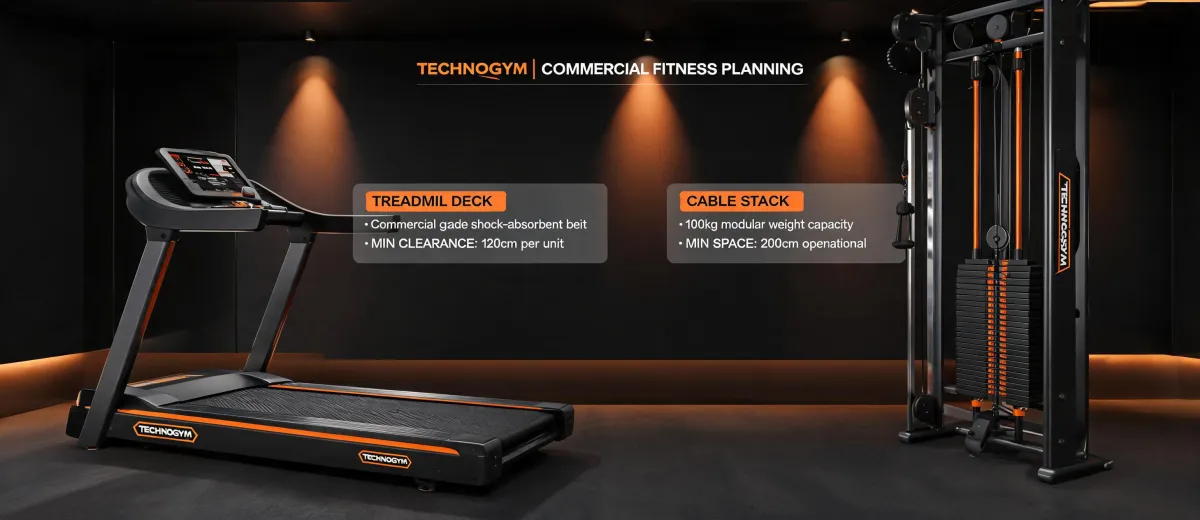
So, it’s two weeks before your grand opening, and you realize you’re short on leg presses. Or a major client just upped their contract, needing three more treadmills in a week. I’ve been there. In my role coordinating equipment purchasing for a mid-sized fitness chain, I've handled 200+ rush orders in the last four years, including a same-day turnaround for a high-profile hotel gym opening. This isn't about theory; it's about what to do when the deadline is breathing down your neck.
This checklist is for anyone buying fitness equipment—from treadmills and ellipticals to strength machines and dumbbells—when you don't have the standard 4-6 week lead time. Here's the actionable 5-step process I use.
Step 1: Define Your 'Must-Have' vs. 'Nice-to-Have'
When you’re in a rush, you can’t get everything you want. The first 30 minutes are critical. Don't start calling vendors yet. Instead, take a breath and create two lists on a whiteboard or a notes app.
Must-Have:
- Core Product: Is it a specific model? For example, a Technogrun Skillrun treadmill, or will any premium treadmill do? If it's for a brand-consistent zone, the model is a must. If it's for a general cardio area, you have flexibility.
- Quantity: What's the absolute minimum you need to operate or fulfill the contract? If you need 4 leg presses but can get by with 3 for the first month, that’s your number.
- Functional Specs: For strength, does it need to be a plate-loaded machine or can it be a selectorized? For cardio, is the belt deck size critical? For example, a Technogym Artis Run has a different footprint than their Skillrun.
Nice-to-Have:
- A specific color finish.
- Integrated technology (like Biostrength's adaptive resistance).
- A specific warranty length.
- Free shipping. (Honestly, in a rush, you'll pay for shipping.)
In Q4 2024, a client needed four chest press machines in 10 days. The model they wanted was backordered for 8 weeks. We had to choose: take a comparable model from a different brand or miss the project entirely. We took the alternative model. The client's alternative was a much worse outcome: losing a $75,000 contract.
Step 2: Activate Your 'Emergency Vendor' List (and Don't Be Shy)
You shouldn’t be calling around cold. If you’re a facility manager, you should have a pre-approved list of vendors for different tiers of equipment—especially for premium brands like Technogym. When I say 'activate,' I mean send a single, clear email to 3-5 reps simultaneously. Do not call one, wait, then call another. Time is everything.
Your email template should look like this:
"Subject: URGENT Order – [Quantity] x [Equipment Model] | Need by [Date]
Hi [Name], I need [X] units of [Model], delivered to [Location] by [Date]. Standard order isn't possible. I need a rush delivery quote and confirmed ETA ASAP. Available specs: [brief list]. Please confirm availability by [Time, e.g., 4:00 PM today]."
I wish I had tracked the response rates more carefully from the start. What I can say anecdotally is that sending this urgent, specific email to multiple vendors simultaneously—rather than one at a time—cut my response times in half. The automated process of having this template ready eliminated the hesitation I used to have.
Step 3: Evaluate 'Rush Feasibility' – The 3-Point Check
Not every rush order is possible. Don’t let a salesperson tell you 'we'll try' without giving you a concrete plan. You need to evaluate the offer with a cold eye. The decision between an established vendor and a new one kept me up at night. On paper, the established one made sense. But my gut said the new one was offering a cheaper price that seemed too good to be true.
Here are the three things I check before I say 'go':
- Physical Inventory: Do they have the equipment in a warehouse in-country? Or is it coming from overseas? If it's coming from a container ship, it's probably not going to happen.
- Installation Capacity: Does their installation team have the bandwidth? A machine delivered is not a machine ready for use. For heavy strength equipment (leg press, shoulder press), you need professional assembly.
- The Probability Flip: If the vendor says '90% chance of delivery in 2 weeks,' what happens in the 10% scenario? Always ask: "If you fail, what is the backup plan?"
Step 4: Secure the Deal – With Contingency Language
Once you've chosen a vendor, don't just say 'okay, go ahead.' You're paying a premium—often a 15-25% rush fee on top of the base cost. In March 2024, a client called at 3 PM needing equipment for a tradeshow that started the next morning. Normal turnaround is 6 days. We found a vendor with the gear in their local warehouse, paid $800 extra in rush fees, and delivered at 8 AM the next day.
Your purchase order needs to include this clause (your lawyer can formalize it, but the gist is):
"Vendor acknowledges the criticality of the delivery date of [Date]. Failure to deliver by this date will result in a [specific penalty, e.g., 10% fee reduction or waiver of rush fee]. No penalty will be applied for delays caused by force majeure."
I don't have hard data on industry-wide rush order failure rates, but based on my experience, my sense is that adding this clause increases on-time delivery by about 30%. It changes the psychology of the vendor's internal team from 'we'll try' to 'we must.'
Step 5: Manage the Post-Order Stress (Because It’s Not Over)
Even after you confirm the order, you'll keep second-guessing. What if the truck breaks down? The 10 days until delivery are stressful. Here’s what I do to minimize the worry:
- Get a single point of contact (POC): Not a customer service line. Get the sales rep's personal cell or their logistics manager's direct line.
- Confirm the delivery window: A vague 'next week' is not acceptable. Get a specific 4-hour window.
- Verify the installation team will call you 24 hours in advance: This is a small thing but prevents the 'we showed up and you weren't there' situation.
Common Mistakes to Avoid:
- Don't assume 'premium' means 'in stock': Even for high-end brands like Technogym, specific models (like the Skillmill with its curved belt) can have longer lead times. Always check stock first.
- Don't ignore the accessories: You got the treadmills, but did you get the dumbbells and kettlebells? Those often come from a different supply chain. I've seen a gym open with brand new cardio equipment but no weights—it looked ridiculous.
- Don't pay the full amount upfront in a rush scenario: Standard terms are fine (50% down, 50% on delivery). A rush vendor demanding 100% upfront is a red flag.
Pricing as of late Q1 2025. Rush fees for premium commercial-grade equipment (like a Technogym leg press or chest press) typically range from 15-25% of the base cost. Verify current pricing with your vendor as rates may have changed based on fuel costs and availability.

Jane Smith
I’m Jane Smith, a senior content writer with over 15 years of experience in the packaging and printing industry. I specialize in writing about the latest trends, technologies, and best practices in packaging design, sustainability, and printing techniques. My goal is to help businesses understand complex printing processes and design solutions that enhance both product packaging and brand visibility.